Will AI Take Over? Here's What Experts Really Think
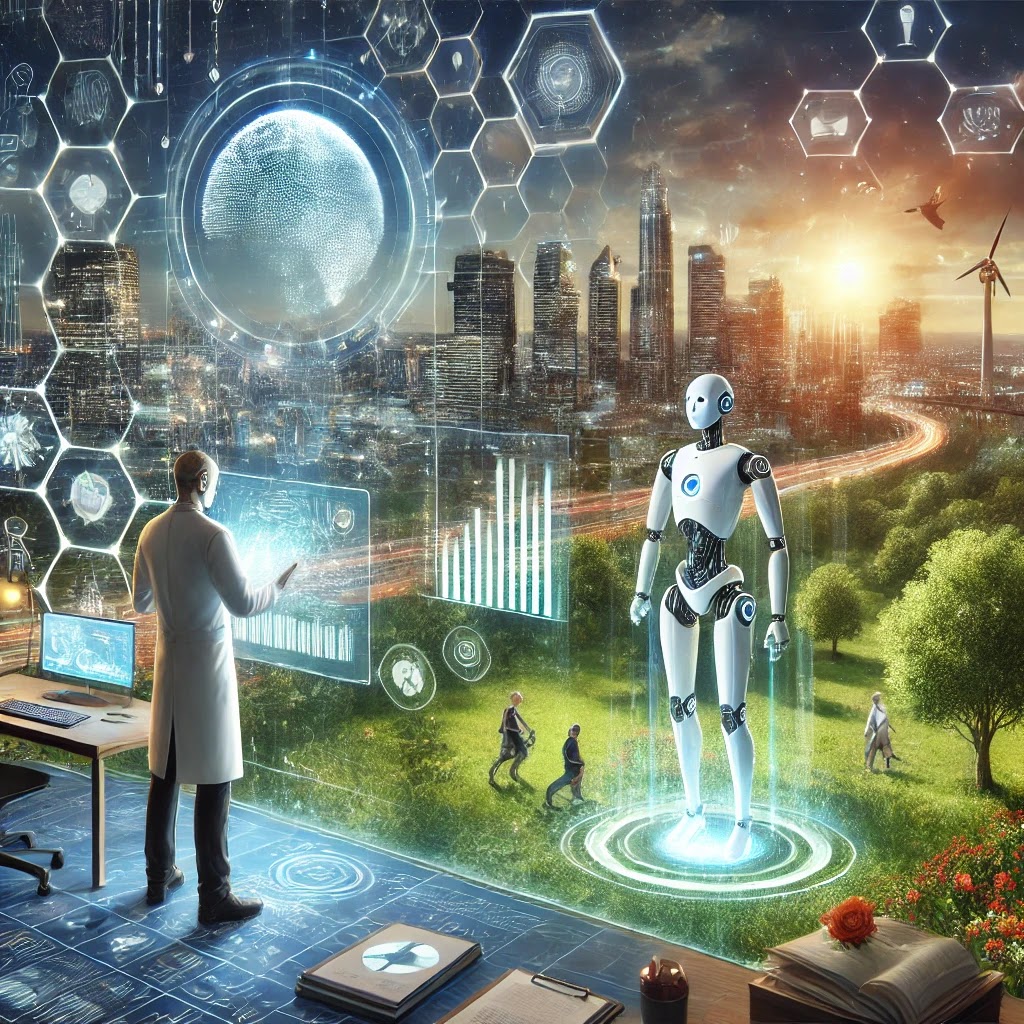
Artificial intelligence (AI) has become one of the hottest topics of discussion in recent years, and for good reason. Its rapid evolution has transformed industries, reshaped how we work, and sparked debates about the future of humanity. Will AI take over? Should we fear it, or should we embrace it? Here’s what experts in the field really think about the future of AI and its impact on society.
Understanding AI and Its Current Role
Before diving into the question of whether AI will "take over," it's essential to understand what AI is and its current capabilities. At its core, AI refers to systems or machines that mimic human intelligence to perform tasks. These tasks can include problem-solving, learning, decision-making, and language understanding.
Currently, AI operates within specific boundaries known as "narrow AI." Examples include virtual assistants like Siri or Alexa, recommendation algorithms on Netflix, and self-driving car systems like Tesla's Autopilot. These tools are powerful but are limited to their programmed domains.
However, the conversation about AI taking over typically revolves around "general AI," which refers to systems capable of performing any intellectual task that a human can do. This level of AI, which would rival or surpass human intelligence, remains a hypothetical concept.
Will AI Replace Jobs?
One of the most immediate concerns about AI is its impact on jobs. The automation of repetitive tasks has already disrupted industries, especially in manufacturing, logistics, and even customer service. For example, chatbots powered by AI are handling customer inquiries that were once managed by human agents.
Expert Insight:
- Dr. Kai-Fu Lee, an AI expert and author of AI Superpowers, predicts that AI could automate up to 40% of current jobs within the next 15-20 years. However, he stresses that these advancements will also create opportunities for new roles, particularly in fields requiring human empathy, creativity, and strategic thinking.
- Andrew Ng, founder of DeepLearning.AI, points out that while some jobs will disappear, others will evolve. For instance, rather than eliminating the need for teachers, AI could become a tool that enhances education, allowing educators to focus on personalized learning.
Ultimately, the future workforce will need to adapt. Upskilling in technology, creativity, and emotional intelligence will become crucial to staying relevant.
The Fear of an AI "Takeover"

When people ask whether AI will "take over," they're often referring to a scenario where machines gain autonomy and outstrip human control. Movies like The Terminator and Ex Machina have fueled fears of a dystopian future ruled by robots.
Expert Insight:
- Elon Musk, CEO of Tesla and SpaceX, has been vocal about the risks of AI, stating that it poses a "fundamental risk to the existence of human civilization." Musk advocates for proactive regulation to prevent AI from going rogue.
- On the other hand, Dr. Fei-Fei Li, a prominent AI researcher, argues that AI is a tool created by humans and reflects our values. She emphasizes the importance of designing ethical AI systems to ensure that technology serves humanity rather than harming it.
For now, experts agree that the real threat isn't an AI rebellion but rather how humans choose to deploy AI. Misuse, lack of regulation, or malicious intent could lead to significant societal harm.
Ethical Considerations and Bias in AI
AI systems are only as good as the data they're trained on, and this has led to another pressing concern: bias. From facial recognition systems that struggle to identify people of color to hiring algorithms that perpetuate gender stereotypes, AI reflects the biases present in its training data.
Expert Insight:
- Timnit Gebru, an AI ethics researcher, highlights the need for diversity in AI development teams. A broader range of perspectives ensures that biases are identified and mitigated during the design process.
- Cathy O’Neil, author of Weapons of Math Destruction, warns against blindly trusting algorithms, especially when they influence critical decisions like lending, hiring, or law enforcement.
Transparency, accountability, and inclusivity are essential to building ethical AI systems that benefit everyone.
The Potential Benefits of AI
Despite the fears and challenges, AI offers incredible opportunities to improve our lives. From advancing healthcare to tackling climate change, AI has the potential to solve some of humanity's most pressing problems.
Healthcare: AI is revolutionizing medicine, enabling faster diagnoses, personalized treatments, and even drug discovery. For example, AI-powered tools like IBM Watson Health analyze vast amounts of medical data to provide insights that aid doctors in making decisions.
Environment: AI systems are being used to monitor deforestation, predict natural disasters, and optimize energy consumption. Projects like Google’s DeepMind are even working on AI models to reduce energy use in data centers.
Education: AI-powered platforms like Duolingo and Khan Academy are making education accessible to people worldwide, offering personalized learning paths that cater to individual needs.
How Do We Prepare for the AI Future?
Preparing for an AI-driven future requires collaboration between governments, businesses, and individuals. Experts suggest several key steps:
- Education and Upskilling: Embrace lifelong learning. Governments and institutions should focus on reskilling programs to prepare workers for the changing job landscape.
- Ethical Guidelines: Organizations must adopt ethical AI principles, ensuring transparency and fairness in their systems.
- Regulation: Policymakers need to develop frameworks that balance innovation with safety.
- Public Awareness: People should understand AI's capabilities and limitations to make informed decisions about its use.
Will AI Take Over? A Balanced Perspective
So, will AI take over? The answer depends on how we define "take over." If we mean replacing human intelligence entirely, experts agree that such a scenario is unlikely in the foreseeable future. General AI remains speculative, and humanity retains control over the development and deployment of these systems.
However, if we mean AI significantly influencing or transforming society, the answer is a resounding yes. AI is already reshaping industries, changing how we work, and influencing our daily lives.
The key lies in ensuring that AI serves as a tool for progress rather than a source of harm. By prioritizing ethical design, proactive regulation, and widespread education, we can harness AI's potential while mitigating its risks.
As AI continues to evolve, the question isn't just whether it will "take over," but how we can ensure it leads to a better future for everyone.


![[Guest Post] In too deep? Considering the legal risks when using DeepSeek](https://blogger.googleusercontent.com/img/b/R29vZ2xl/AVvXsEj9zJMcJViA05aE9GdCCDp3-8e4jn-qVV4Dx8rjLJmYTQ50wJUAIOBnd34VS-x8zpY2fq8cfbzupn2gjwxvW1xvuhafGqnufv5U-fFr5cyADZhVM7NDFqgueuStWh2RiLaG3-KriaCMncREWjW7silaBf1fKAzmeI9NSw5ULQfWIwjCua3RD0dV/w80-h53-p-k-no-nu/rosepatkat_British_shorthair_cat_in_deep_water_138c35bc-f5ef-4c96-8d0e-eec42cb3d28c.PNG)
No comments
Post a Comment