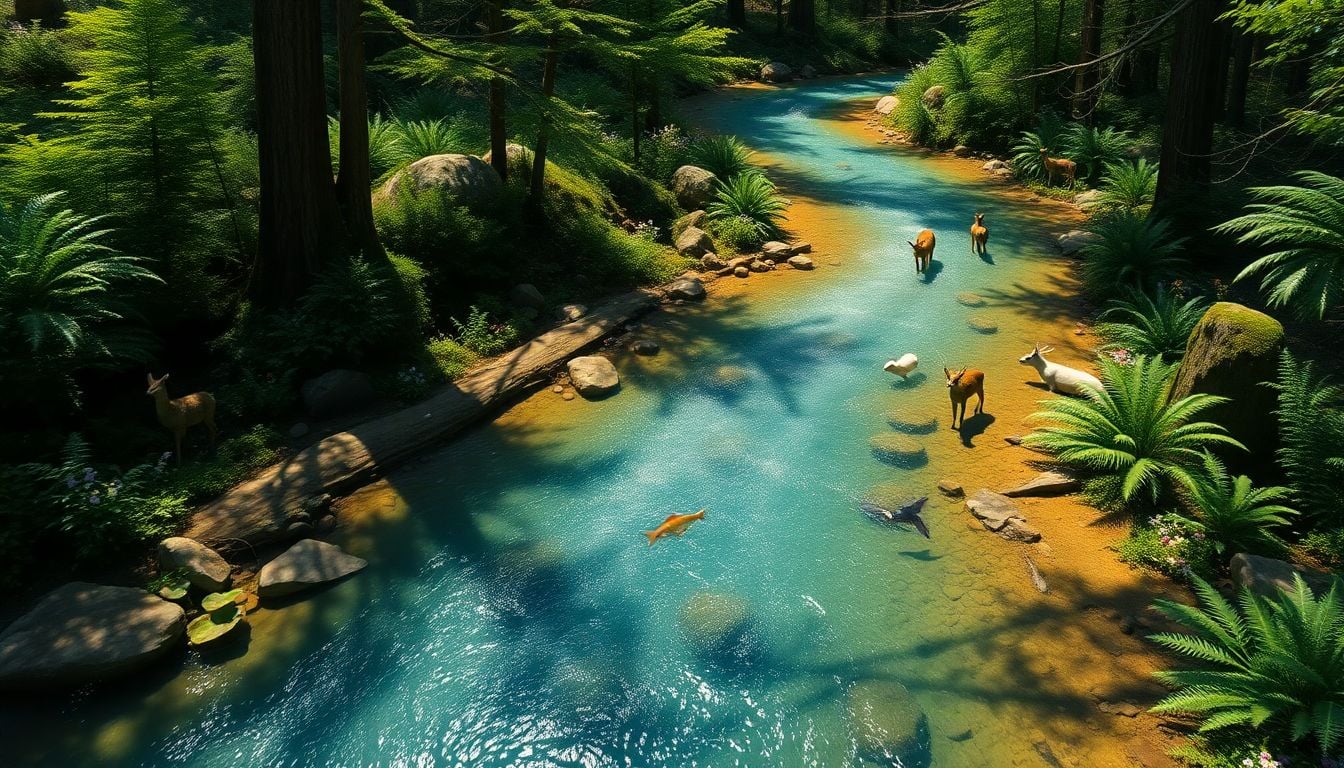
The Importance of Water: Protecting Our Planet's Most Precious Resource
Did you know that over 2 billion people live in countries experiencing high water stress? Water is essential for life on Earth. It nourishes ecosystems, supports our health, and plays a vital role in agriculture. Protecting this precious resource is more urgent than ever as we face increasing challenges related to water scarcity and pollution.
The Vital Role of Water in Ecosystems
Water's Importance to Biodiversity
Water is not just vital for humans; it is crucial for countless species. Over 40% of all known species live or thrive in freshwater ecosystems. When drought strikes, many animal populations face serious risks. For example, prolonged droughts can lead to sharp declines in amphibian and fish populations, disrupting entire food chains.
Water's Role in Climate Regulation
The water cycle helps regulate our climate. It influences temperature and weather patterns. Deforestation disrupts this cycle, leading to more severe droughts and floods. Research shows that areas with less vegetation experience drastic changes in rainfall patterns, making water conservation essential.
Water's Influence on Agriculture and Food Security
Agriculture accounts for about 70% of global freshwater usage. As water becomes scarcer, food production suffers. For instance, regions like Sub-Saharan Africa face dwindling water supplies, threatening food security for millions. Sustainable practices are necessary to ensure that crops can grow without over-exploiting water resources.
The Growing Global Water Crisis
Water Scarcity and its Causes
Over 1.2 billion people live in areas of physical water scarcity. Climate change and rapid population growth exacerbate this issue. These factors lead to reduced water availability and increased competition for this precious resource.
Water Pollution and its Sources
Water pollution is another major concern. An estimated 80% of the world's wastewater is discharged into aquatic environments without treatment. Major pollution events, like the 2014 Toledo water crisis, showcase the dire consequences. Contaminated water poses health risks and damages ecosystems.
The Impact of Water Inequality
Access to clean water is not equal worldwide. Around 785 million people lack basic drinking water services. International initiatives aim to improve access, yet challenges remain. Addressing this inequality is crucial for global health and stability.
Protecting Our Water Resources: Conservation Strategies
Reducing Water Consumption at Home
Every drop counts. Here are some tips for conserving water at home:
- Use low-flow showerheads.
- Fix leaks promptly.
- Collect rainwater for gardening.
Communities worldwide have successfully implemented water-saving programs that reduced usage by up to 30%.
Sustainable Agriculture Practices
Farmers can adopt water-efficient irrigation techniques, like drip irrigation, to save water. For example, a farm in California reduced water use by 50% by investing in such technology. These practices are essential to secure food and water resources.
Industrial Water Management
Industries can also contribute. By recycling water and implementing reuse strategies, businesses can significantly lower their water footprint. Companies like Coca-Cola have committed to replenishing more water than they use, setting a positive example in water management.
Policy and Advocacy for Water Security
International Water Agreements and Treaties
International cooperation is vital in managing shared water resources. Treaties like the United Nations Watercourses Convention work toward sustainable management of transboundary water bodies, emphasizing collaborative solutions.
National and Local Water Policies
Many countries have implemented successful water management policies. For example, Australia's National Water Initiative emphasizes efficient water use and conservation. Experts agree that effective governance is crucial for sustainable water management.
Public Awareness Campaigns and Education
Raising awareness is a key factor in promoting water conservation. Successful campaigns, like the Clean Water Campaign, motivate communities to take action. Educating the public about the importance of protecting water resources is essential for long-term change.
The Future of Water: Innovation and Technology
Water Treatment Technologies
Advancements in water purification and desalination are essential. For instance, Israel has utilized desalination technologies to become a leader in water management. Such innovations ensure access to clean water for the future.
Water Harvesting and Management Systems
Rainwater harvesting offers communities a sustainable water supply. A village in India successfully implemented harvesting techniques, reducing reliance on groundwater. This method promotes resilience against water scarcity.
Sustainable Water Infrastructure
Investing in modern infrastructure is crucial for maintaining water security. Experts emphasize the need for sustainable development to combat aging facilities. Improving infrastructure can lead to better management of water resources and improved public health.
Conclusion
Water is vital, not just for survival but for our planet's ecosystem. Urgent action is needed to protect this resource from pollution and waste. Individuals can make small changes, while governments must implement effective policies. Together, we can safeguard our most precious resource for future generations. Let's take responsibility. Protecting water is everyone's job.


No comments
Post a Comment